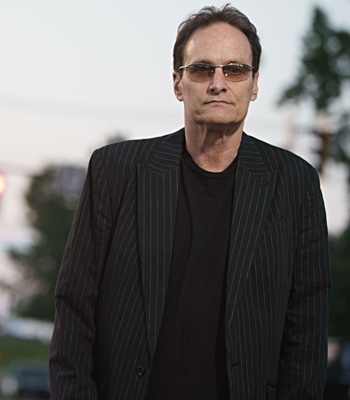
Doug Johnson, piano
Soso Gelovani, acoustic bass
Evi Slivnik, drums
“One of my specialties as a musician is to use odd meters: rhythmic patterns and groupings that are nontraditional in jazz, such as fives and sevens. A lot of students come to me specifically to learn that.”
“Whether it’s in private piano lessons, labs, or keyboard classes, I want my students to come away with a solid technical foundation. Good technique is important, not just for fluency but also to avoid getting hurt. Good technique, by definition, is efficient motion. It comes not just from the fingers, but also the shoulders and all the way down to the feet. The old Russian saying, ‘You play the piano from your feet,’ is really true. It would be absurd to believe you can lift a 60-pound suitcase with just your fingers. It’s equally absurd to think you play piano with just your fingers. Putting a key down requires little actual effort, so it’s not obvious that you require the feet as a support. But not using your feet makes it very easy to have inefficient motions.”...
read more
Doug Johnson, piano
Soso Gelovani, acoustic bass
Evi Slivnik, drums
“One of my specialties as a musician is to use odd meters: rhythmic patterns and groupings that are nontraditional in jazz, such as fives and sevens. A lot of students come to me specifically to learn that.”
“Whether it’s in private piano lessons, labs, or keyboard classes, I want my students to come away with a solid technical foundation. Good technique is important, not just for fluency but also to avoid getting hurt. Good technique, by definition, is efficient motion. It comes not just from the fingers, but also the shoulders and all the way down to the feet. The old Russian saying, ‘You play the piano from your feet,’ is really true. It would be absurd to believe you can lift a 60-pound suitcase with just your fingers. It’s equally absurd to think you play piano with just your fingers. Putting a key down requires little actual effort, so it’s not obvious that you require the feet as a support. But not using your feet makes it very easy to have inefficient motions.”
“It’s very rewarding when I can help students find their voice. This can require waiting to play what needs to be played, as opposed to playing what’s ‘correct.’ I use this analogy: If you tell a story with no pauses, there’s not going to be any drama or suspense. Pauses give people a chance to hear what was said and anticipate what comes next. Even when we know a story we still wonder if it might turn out differently just this once. With improvisation, the amazing thing is that the improviser is listening to the story as he/she is creating it—without knowing exactly what will happen next. So you need to give yourself a chance to hear what you just played and what your bandmates are playing and have an honest response—to take it in and anticipate what might come.”
Career Highlights
B.M., Michigan State University
M.M., New England Conservatory of Music
Band leader, Doug Johnson Trio
Performances with Bossa Trio with Dan Greenspan and Bertram Lehmann, Chiara Civello, Grand Rapids Symphony, Handel & Haydn Society School Concerts 1997–2000 seasons, Jazz Composers Alliance, Jon Hazilla Trio, Lisa Thorsen, Luciana Souza, Mili Bermejo
Trio tours in Austria and Poland
Frequent performances with the Eperanza Spalding Quintet
Recordings include Game Theory, Doug Johnson Trio
show less