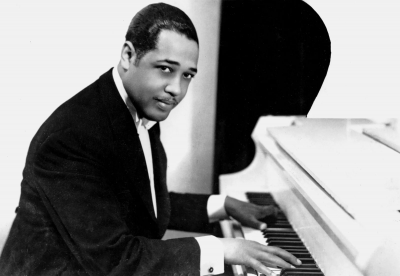
The August edition of the Dunedin Jazz Club features the luscious sounds of the Dunedin City Jazz Orchestra performing selections from Duke Ellington’s “Black, Brown and Beige”, an extended suite or jazz symphony that was first performed at Carnegie Hall in 1943. At the time of its composition in 1942, Duke Ellington was the foremost jazz musician in America, having transcended his nightly residency at the infamous Cotton Club in Harlem for a series of successful national tours that sold out in every town. Although he was not the first jazz musician to perform at Carnegie Hall (Benny Goodman was bestowed that honour in 1938), the performance of “Black, Brown and Beige” marks his entry into the concert world of classical music. It is therefore fitting that the DCJO will perform a substantial portion of this work at Hanover Hall, the home of the Dunedin Symphony Orchestra, a hub for both classical music and jazz in our small but vibrant city....
read more
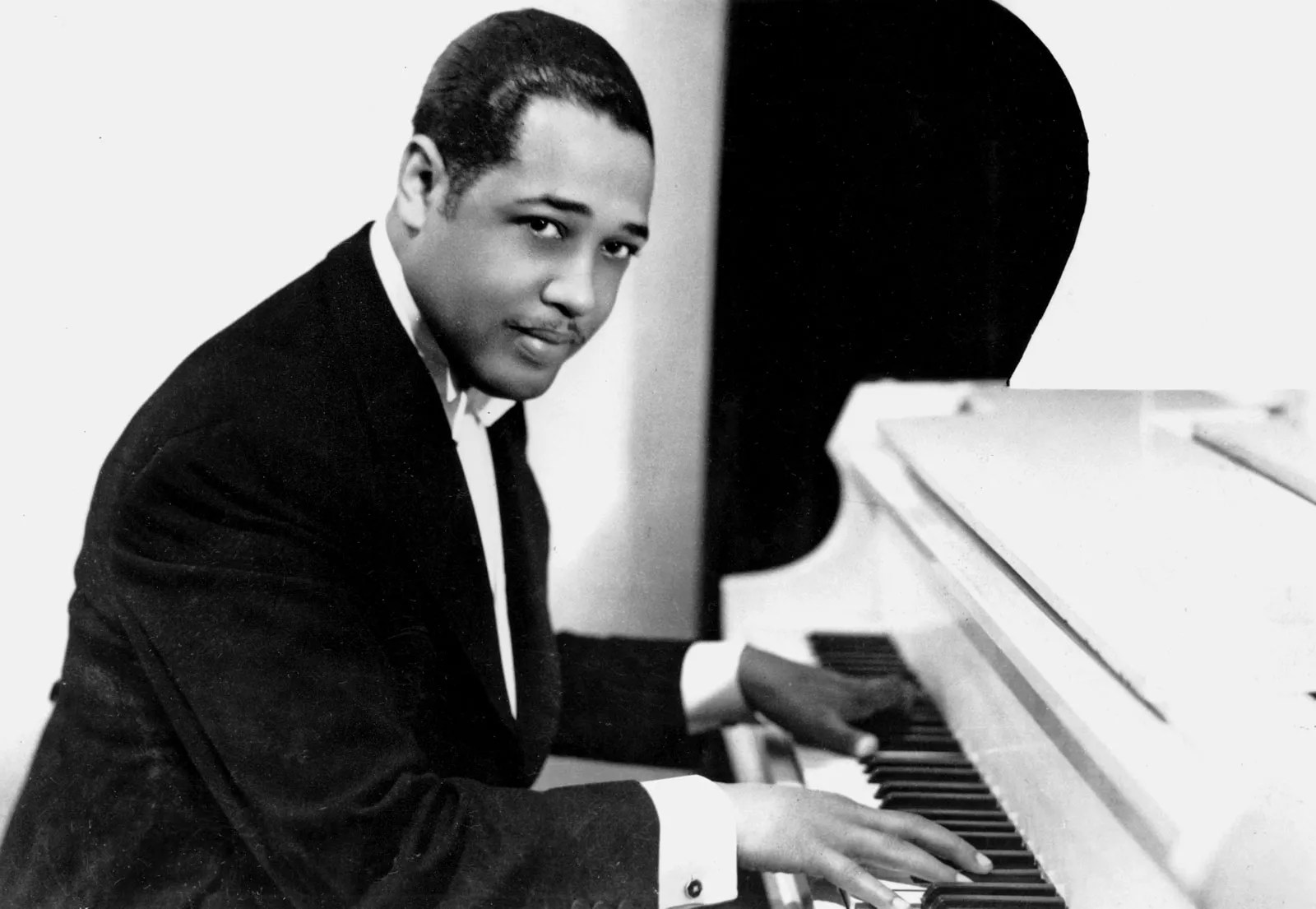
The August edition of the Dunedin Jazz Club features the luscious sounds of the Dunedin City Jazz Orchestra performing selections from Duke Ellington’s “Black, Brown and Beige”, an extended suite or jazz symphony that was first performed at Carnegie Hall in 1943. At the time of its composition in 1942, Duke Ellington was the foremost jazz musician in America, having transcended his nightly residency at the infamous Cotton Club in Harlem for a series of successful national tours that sold out in every town. Although he was not the first jazz musician to perform at Carnegie Hall (Benny Goodman was bestowed that honour in 1938), the performance of “Black, Brown and Beige” marks his entry into the concert world of classical music. It is therefore fitting that the DCJO will perform a substantial portion of this work at Hanover Hall, the home of the Dunedin Symphony Orchestra, a hub for both classical music and jazz in our small but vibrant city.
Ellington’s jazz symphony is divided into three movements that were supposed to portray the evolution of the American Negro from the period of Slavery to the Harlem Renaissance. In this concert, the DCJO will present important selections from the symphony in a manner that follows Ellington’s own use of the work in his latter years. In the second set, the DCJO will also present a celebration of Ellington’s wider oeuvre, including compositions such as Satin Doll, Caravan, Perdido, Do Nothin’ Til You Hear From Me and many more.
According to the original program notes, the first section, titled “Black”, “depicts the period from 1620 to the Revolutionary War, when the Negro was brought from his homelands and sold into slavery”. It opens with a lively “Work Song” and spiritual ballad titled “Come Sunday” before a clever synthesis of the material in ‘Light'. The second movement, entitled “Brown”, “covers the period from the Revolution to the first World War” and charts the passage from the initial optimism of emancipation towards the melancholy realization that racial inequality would remain part of American life in the Post Reconstruction era. From this, the orchestra will present the dark ‘Blues Theme Mauve', featuring the vocalist Jodi Benson. From the third section - which is supposed to represent the flourishing of African American culture during the period known as the “Harlem Renaissance" - the orchestra will present “Finale” of the Third movement.
Under the direction of Nick Cornish, the Dunedin City Jazz Orchestra brings together some of the best jazz musicians in this city to perform this tribute to Duke Ellington. With Cornish himself playing lead alto and Ralph Miller playing the lead trumpet, this work is no doubt in good hands. The band features the dependable rhythm section of Kevin Finigan on the drums, Daniel Potter on the bass, Phil Hartshorn on guitar, with local prodigy Jack Ta adding some virtuosity on the piano. Lead trombone is performed by Peter Claman but the section as a whole is packed with experienced and talented players such as Daniel Bleckinger, Karl Sasse and Paul Claman, who is also manager of the band. Look out also for rising star Louis Robertson on the trumpet who has been stunning audiences with his clear high notes and expressive tone. Baritone saxophonist Rowena Rushton Greene will also perform violin in one of the parts, demonstrating the range of talent contained in the band.
Hanover Hall is a licensed venue with a cash bar.
$25/20/15/10 or $30/20/15/10 on the door in cash.
Timings:
7:00 Doors Open
7:30 Welcome
7:45 Set One: Selections from Black, Brown and Beige
8:30 Break
8:45 Set Two: Duke Ellington Standards
The Dunedin Jazz Club is an initiative of the Dunedin Jazz Foundation. We would like to thank the Dunedin City Council and Otago Community Trust for their ongoing support
show less