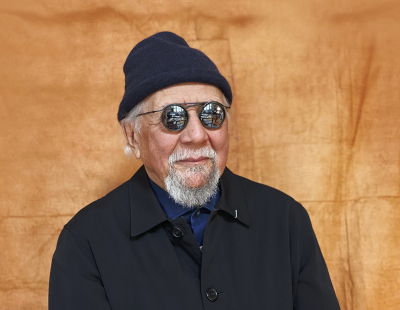
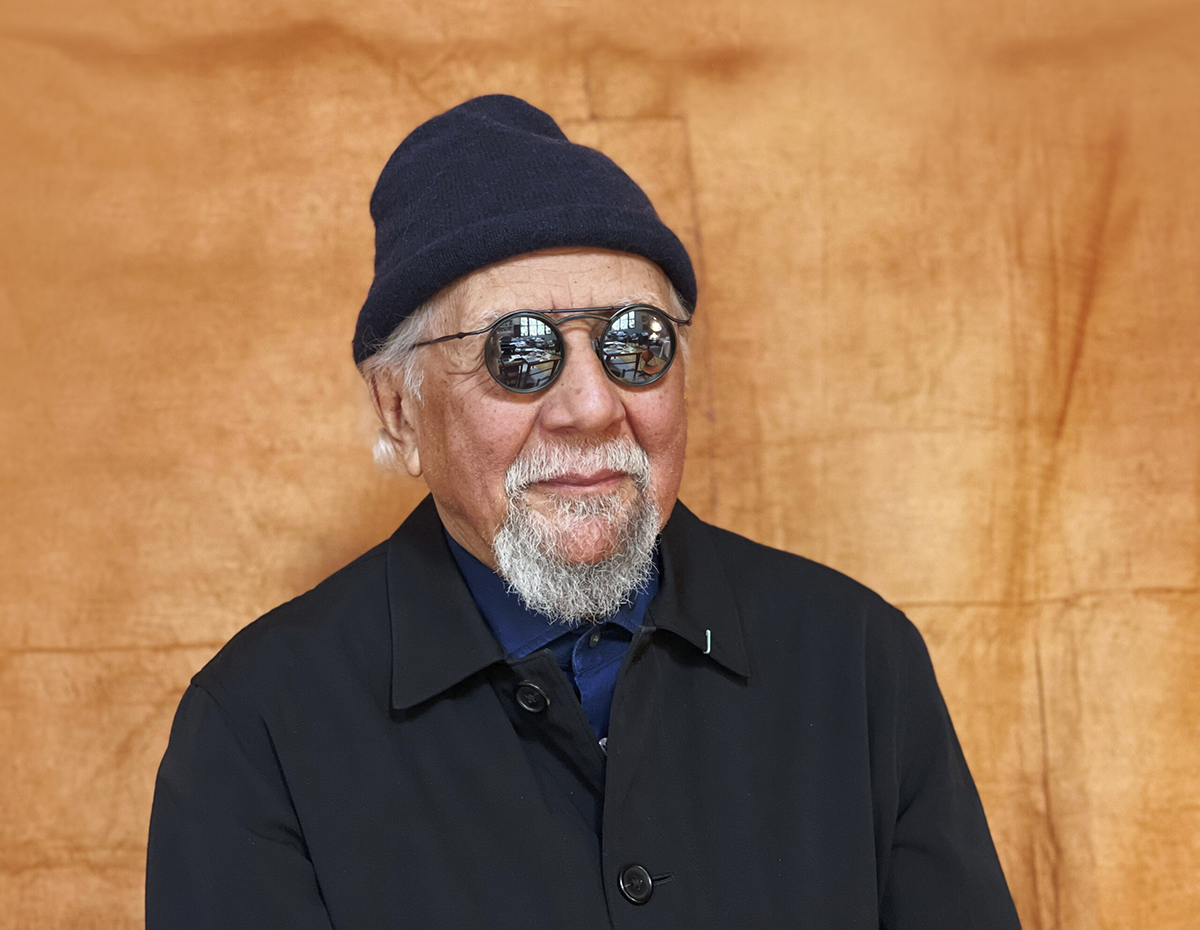
The Vilnius Mama Jazz festival presents an exclusive event – an encounter with the legendary jazz saxophonist, Charles Loyd. His performance in Vilnius is a rare opportunity for Lithuanian jazz fans to experience live, a true icon of the genre. Guitarist Carlos Santana called Lloyd an international treasure. Jazzwise, one of the genre’s most important publications, couldn’t agree more: “Lloyd is one of the greats, like Joan Miró in modern art, he has no peer save himself. Music of total transport and delight.” Manfred Eicher, founder of the ECM record label, compared Lloyd’s music to Alberto Giacometti’s paintings....
read more
The Vilnius Mama Jazz festival presents an exclusive event – an encounter with the legendary jazz saxophonist, Charles Loyd. His performance in Vilnius is a rare opportunity for Lithuanian jazz fans to experience live, a true icon of the genre. Guitarist Carlos Santana called Lloyd an international treasure. Jazzwise, one of the genre’s most important publications, couldn’t agree more: “Lloyd is one of the greats, like Joan Miró in modern art, he has no peer save himself. Music of total transport and delight.” Manfred Eicher, founder of the ECM record label, compared Lloyd’s music to Alberto Giacometti’s paintings.
The Forest Flower album released by Lloyd’s quartet in 1966 became the first one in jazz history to sell more than one million copies. In 1967, Lloyd was voted by DownBeat, the leading jazz magazine, “Jazz Artist of the Year”. The quartet then embarked on a world tour, which for the first time, included a performance in one of the Baltic countries at the Tallinn Jazz Festival, despite the attempts to ban it by Soviet officials. “Lloyd’s music then filled me with a sense of inner freedom,” the Lithuanian jazz pioneer Vyacheslav Ganelin, an eyewitness to this event, said. Thirty years later, in spring 1997, Lloyd appeared in Lithuania, on stage at the Kaunas Jazz Festival, and a decade later he performed in Vilnius.
Last year, DownBeat elected Lloyd into the Jazz Hall of Fame, and named his latest album, The Sky Will Still Be There Tomorrow, “Album of the Year”. It was his first studio recording after a 7-year hiatus and was released on his 86th birthday. On the album, Lloyd is backed by pianist Jason Moran, bassist Larry Grenadier and drummer Brian Blade.
“I am inspired by the absolute, by infinite space, by what we are all looking for, consciously or unconsciously. Every time I play, I am ecstatic with the abundance of possibilities. Each time I play music, it is always my dedication to tell the truth. I truly live in music, music is my home,” Jūratė Kučinskaitė, the host of the Jazz Passages (Džiazo pasažai) programme on the Lithuanian National Radio station, quoted Lloyd when presenting the latest album. “This is music full of passion, depth, quality and a lively conversation between musicians,” wrote journalist Laima Slepkovaitė of the album. At the 2025 JJA Jazz Awards, Lloyd has been nominated for five awards.
Lloyd was born in 1938 in Memphis, Tennessee, a city known for its strong traditions of blues, gospel and jazz. He started playing the saxophone at the age of 9 and gained experience by listening to the radio broadcasts of jazz classics.
Later, he moved to Los Angeles where he studied music at the university by day and by night, jammed with Ornette Coleman, Billy Higgins, Don Cherry and other West Coast jazz musicians.
During the 1960s, Lloyd became an important figure on the world jazz scene. He founded his own quartet with pianist Keith Jarrett, bassist Cecil McBee and drummer Jack DeJohnette. The band’s music immediately caught the attention of jazz fans and critics alike, and in 1966 their albums Dream Weaver and Love In became among the most popular in America. That same year, the quartet’s concert recording Forest Flower: Live at Monterey bridged the worlds of jazz and the emerging rock music, making history with a million copies sold.
Despite his commercial success, Lloyd decided to withdraw from the public eye and move to the Big Sur area of California in search of peace of mind and a deeper connection to music. “Music is a healing force. It has the ability to transcend boundaries, it can touch the heart directly, it can speak to a depth of the spirit where no words are needed,” the musician, who practised Transcendental Meditation, noted.
This period of self-reflection allowed Lloyd to explore different musical traditions and philosophies, which further enriched his work: “[Jazz] is a music of freedom and wonder. It uplifts, it inspires, it touches the heart and it heals. It is transformational.” During this period, the saxophonist collaborated with the renowned rock band The Beach Boys, writing and working with them in the studio and in concerts. He formed the band, Celebration, with members of their touring band and recorded two albums. He also appeared on recordings by Canned Heat, The Doors and others.
In the mid-eighties, the musician returned to the jazz scene with fresh inspiration and released a series of albums reflecting his changing musical vision. His new musical collaboration with pianist Jason Moran, drummer Billy Higgins and guitarist John Abercrombie further expanded his sonic spectrum.
Lloyd describes himself as a “sound seeker”, constantly exploring the transformative power of music: “My music, it breathes. It’s a mysticism of sound. I’m a sound seeker, and I’m enthralled with it, by what it can do to change the molecules and uplift people.”
Lloyd’s concert in Vilnius will be a significant event in the country’s cultural life. Approaching 90, he remains a vital boundary-pushing force in the world of jazz, while remaining deeply connected to its roots. The upcoming concert in Vilnius is a unique opportunity to hear a living legend and feel the power of true art.
As The New York Times wrote, “Follow the career of Charles Lloyd, and you see a map of great jazz across half a century. His shows, full of momentum and intuition, perfectly represent the idea that the best jazz needs to be experienced live.”
The organiser reserves the right to make changes in the programme.
The project is funded by the Lithuanian Council for Culture and Vilnius City Municipality.
show less