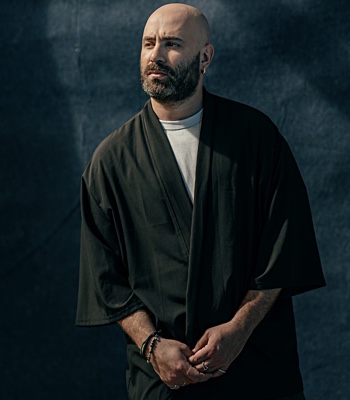
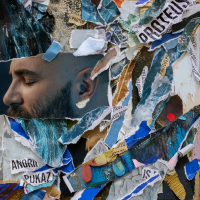
the uc theatre and ivy room present—APRIL 29TH—NNAMDÏMarcus Drake—7pm doors / 8pm show$18 ADV / $20 Day of Show—IVY ROOM 860 San Pablo Avenue, Albany • 21+(rsvp on facebook)NNAMDÏ—NNAMDÏ has never been able to stay in one place. The Chicago multi-instrumentalist and songwriter set a blistering pace in 2020 with his critically acclaimed genre-fusing LP Brat, a punk EP Black Plight, and Krazy Karl, a full-length tribute to Looney Tunes composer Carl Stalling. Add in his role as co-owner of label Sooper Records, as well as recent tours with Wilco, Sleater-Kinney, black midi, and Jeff Rosenstock and it’s an overwhelming schedule. However, his latest album, Please Have A Seat (out 10/07/22 via Secretly Canadian / Sooper Records), is the result of a much-needed pause.“I realized I never take time to just sit and take in where I’m at,” says NNAMDÏ. “It’s just nice to not be on ‘Go, Go, Go!’ mode, and reevaluate where I wanted to go musically.” This period of reflection allowed him to take stock of his life and his relationships. “I wanted to be present,” he says. “Each song came from a moment of clarity.” Please Have A Seat serves as an invitation to listen. It’s a request to sit down, be present, and take in a moment. With this quiet introspection, NNAMDÏ found inspiration in silence and nuance.While making the record, he decided to stretch the limits of his pop songwriting: every track had to be hummable. Though he’s written earworms throughout his career from playing in bands in Chicago’s DIY community or releasing goofy raps as Nnamdi’s Sooper Dooper Secret Side Project, here, his shapeshifting hooks are undeniable. Each of the album’s fourteen songs, which NNAMDÏ wrote, produced, and performed entirely himself, are relentlessly replayable, careening into unexpected and disorienting places. With NNAMDÏ’s singular vision, Please Have A Seat is yet another leap from Chicago’s hardest working musician. By taking a minute to sit down and catch his breath, he reemerged with the most ambitious, accessible, and nuanced work of his career.“Nnamdï‘s sounds are a testament to the continual melting away of genre distinctions in the current era of (particularly Black) music.”- POP MATTERS“Even if the trappings of fame appeal to him, Nnamdï shows little willingness to fit himself into any recognizable mainstream mold. His music, which he has described as pop, is stubbornly eclectic, bridging genres as diffuse as underground hip-hop, hyper-pop, rock and free-form jazz — sometimes in the space of a single song.”-NEW YORK TIMESOne of the “Most Exciting New Acts In Music Right Now.”-NYLON“...a broad appetite and staggering musical proficiency.”-THE NEW YORKERNNAMDI is “Mind Blowing”-NPR“Categorically Unclassifiable”-HYPEBEAST“Nnamdi’s a Genius.”-JEFF TWEEDY (WILCO)Marcus Drake—The seven-year-long gap between Marcus Drake’s last album and his new one, Save Point 1, almost plays out like the script for a wistful coming-of-age drama at Cannes Film Festival. In 2017, Drake was coming off a ridiculously fruitful run of songwriting in bands like Evasive Backflip and Anthony Fremont’s Garden Solutions—his idiosyncratic side-project with Water From Your Eyes’ Nate Amos, Options’ Seth Engel, and NNAMDÏ—and releasing records on Grandpa Bay Recordings, the label he operated with Nate Amos. Wringing as much creativity out of his subconsciousness as possible, Drake put out nine records in 2016 alone, including a commissioned video game soundtrack – and that’s just the music that he made public.Physically overextended and creatively exhausted, Drake watched as key pillars of his life started to crack: he experienced a heart-shattering breakup, his mundane job ate up all his time, and he fell into a deep depression. “I kept staring at the dress shoes that my job made us wear, thinking, ‘What am I doing? Why am I here?’” he says. After saving up a sizable chunk of money, Drake took it as a sign to embark on a full-fledged solo adventure, the kind of self-discovery road trip that rigid schedules can’t afford, and bought a “shitty old pickup truck camper” to drive across the country.“I decided to travel for a few months and record an album on the road, but I had the most insane writer’s block,” says Drake. “I didn’t even know how bad it would feel until I felt it. You can’t make anything that you like or even feel good enough to finish it. So I just had a bunch of these weird carcasses growing in my computer, these half-songs, and I didn’t know what the fuck they were supposed to be.”Over the next string of months, Drake drove to Oklahoma, New Mexico, and Colorado. When his campervan sank into quicksand in the Mojave Desert and a kind stranger towed the vehicle out, Drake cut his losses and accepted a restaurant job offer from a friend in San Diego, but he numbed his self-disappointment by partying for months on end; everything was a blur. Eventually out of money, Drake trudged back to Chicago and found an underwhelming job that paid well and, most importantly, introduced him to a coworker that changed the direction of his life.“She was an amazing influence. One day, she told me to go home, put on The Downward Spiral by Nine Inch Nails, and turn it up,” he recounts. “I’m cleaning my apartment listening to it and I just stopped and sat there, like, What the fuck? This was someone pouring their heart out, even the really dark shit, and with a zoned-in, singular vision. Trent Reznor had this moment, this burst, and saw it through – and I took that as a cue.”Inspiration pulsed through Drake like it hadn’t in years. Free from expectations of the perfect comeback song or his next great masterpiece, he started writing music with no audience in mind – including himself. “I started a new file named ‘One day: GO!’ and started writing so fast without trying to do anything. “I stopped trying to be a certain type of artist, or the type of artist I thought I wanted to be. I just wrote. It was a stream-of-consciousness exercise that finally freed me. It’s weird how easily that switch flipped, but it did, and it was beyond exciting.” Drake didn’t return to his former self. Instead, he found the clearer, truer version of himself that he initially hoped to discover. And now, he had a pool of songs to help him get back on his feet.Recorded with a cheap interface on his “shitty, run-down laptop that slowly died throughout the entire process of the album,” Drake began compiling ideas that would eventually turn into the 14 songs on Save Point 1. He experimented with new techniques and plug-ins, allowed himself to shred guitar solos with a unique self-taught approach, and even picked up an old violin he had laying around. Guitar, bass, and a few drum parts were recorded live, while Drake turned to his keyboard to design virtual instrumentation for the rest: strings, horns, synth, and the rest of the drums. The resulting material is giddy and dreamy, an Olympic-height diving board from which to dive through indie rock and videogame soundtracks, thrilling math-rock riffs that turn experimental, and synths that glow in rainbow hues. Just turn to the Tera Melos-meets-The Postal Service glitchpop of “Heaven’s in the Rot” or the slow-motion acoustic glitter that is “Dragon It Out” to hear it in motion. Drake even composed a two-part “Haunted” suite that funnels his unpredictable experimentation into a darker, weirder direction.In the midst of this, Adult Swim commissioned Drake to compose original music for Thoron the Conqueror, a 2023 short film. Drake ended up penning both the soundtrack and score, expanding upon the visual’s neon-hued tones with music that was at once glittery and rubbery to reflect its enigmatic lead character. “The process of composing that score helped me get out of the way of my own ego, so to speak, and open my mind to even more possibilities,” he recalls.Inspired to go bigger and bolder when he returned to his Save Point 1 tracks, Drake pushed himself to grow as a singer, too. “I definitely was utilizing a lot of vocal exercises, trying different things out with enunciation and volume, and figuring out how to help my voice sound the best it can,” he says. It’s most audible on “fallinlove.gottadoit” when Drake segues from outright yelling to soft, sugary crooning in a way that accents the song’s bold trumpets. The same is true of the auto-tune takes, too, like on the shimmery “Paradise” where Drake elongates his notes and tries singing with a more delicate delivery.Save Point 1 is also the first record Drake wrote since befriending, and becoming deeply influenced by, David Berman. The late Silver Jews musician was writing his new Purple Mountains album and, after stumbling across Drake’s videogame soundtrack, emailed Drake in hopes of collaborating. “David had just gone through a divorce, and I had gone through my big breakup, so we were both just fucking depressed,” says Drake. “We would go to bars, hang out, and David would send me poetry. That changed everything for me, because it got me into poetry – including David’s. His lyrics blew my mind; I never knew how powerful lyrics could be before I met him, and he completely influenced me to take my time with every single line and push myself to be a better writer.”That consideration and attention to detail is all over Save Point 1. On “The Grind,” Drake sings about keeping himself alive with a 9-to-5 job while trying not to lose his creative drive. His production is equally as slick and free-roaming as his Sooper labelmate Sen Morimoto, but Drake distinguishes himself with a snappier tone. Take “Doomsday Serenade,” which speeds up drum’n’bass with jazzy guitar riffs in a manner more akin to video game soundtracks than the indie rock gloss of his peers. Even “Train Track Pillowcase” finds a pocket of hope amidst its worried lyrics. “I wanted there to be some levity because it’s true: the darkness can be ridiculous in a way,” says Drake.As its title implies, Save Point 1 isn’t just a new beginning, but a reintroduction for Marcus Drake the musician, the producer, and most of all the person. Perhaps the best sign of it all is that he’s releasing the album under his real name. Over the years, he put out various solo records under monikers like Marque Drake and Jamarcus, modifications of his own name – a partial ownership of who he was while slightly distancing himself simultaneously. With Save Point 1, Drake is assured in who he is and the type of music that he—and only he—makes. “This feels the most like me album that I've ever done musically,” says Drake. “A big part of these songs, even extending back to the truck camper-era, was to find what music I’m making that I actually enjoy making and that feels authentically me. That’s what this album is: a reconstruction of who I am as a musician. And now, I’m finally here.”
show less